How Plant Medicine Transformed My Healing Journey and Deepened My Understanding of Love
For years, I did the work. Therapy. Coaching. Training. Reading. Reflection.
I understood attachment styles. I studied the nervous system. I learned how origin wounds shape our relationships and emotional patterns. I built a career helping others recognize the unconscious dynamics that influence how they love and connect.
And yet, there were still places inside me that felt stuck. Places that insight alone couldn’t quite reach.
I could explain my patterns. I could name them. I could see where they came from. But there were emotional layers that still lived in my body, grief that hadn’t fully moved, fears that hadn’t fully softened, protective strategies that still activated even when I knew better.
That is what eventually led me to explore plant medicine. Not as an escape but as another doorway into deeper healing.
I approached it slowly and thoughtfully. I researched and chose an intentional setting with an experienced facilitator. This wasn’t about chasing an experience. It was about creating the conditions for deeper emotional truth to surface safely.
What I Experienced
What surprised me most wasn’t intensity. It was clarity.
During my experiences, I could see my emotional patterns without defensiveness. There was a softness that allowed me to stay present with feelings that might normally feel overwhelming or uncomfortable.
Instead of analyzing, I was feeling. Instead of explaining my story, I was inside it. I could see the ways I had tried to earn love instead of simply allowing it. I could recognize moments where I had abandoned my own needs in order to preserve connection. I could feel the grief that lives underneath many of our protective patterns, grief we often learn to move around instead of through.
There was also compassion, a level of compassion toward myself that felt deeper and more embodied than anything I had experienced before. Not the kind of compassion that comes from positive thinking or reframing, but the kind that comes from truly understanding why you became who you became.
In those moments, I wasn’t trying to fix myself. I was learning to understand myself.
The Role of MDMA-Assisted Work
One part of my journey included carefully guided MDMA-assisted sessions in a safe and intentional setting.
What stood out most about this work was the sense of emotional safety it created. Difficult memories and feelings that might normally trigger defensiveness or shutdown became easier to approach with openness and compassion.
There was less fear and more curiosity. Experiences that once felt overwhelming became understandable. Emotional reactions that had once felt confusing began to make sense in the context of my history and relationships.
Rather than creating artificial happiness or escape, the experience allowed me to stay present with difficult emotions without becoming flooded by them. That sense of safety made it possible to explore deeper layers of grief, loss, and attachment in a way that felt grounded and contained.
It wasn’t about euphoria or insight alone; it was about feeling safe enough to tell myself the truth.
The Generational Patterns That Became Clear
One of the most meaningful aspects of these experiences was seeing my patterns in a larger context.
It wasn’t just about my individual history. I began to recognize how emotional survival strategies can move through generations, shaping how love is expressed, how conflict is handled, and how safety is created inside relationships.
I could see more clearly how certain patterns I once viewed as personal shortcomings were actually adaptations, ways of protecting connection and stability that made sense within a larger family story.
There was a deep realization that many of the ways I learned to function in relationships were not random. They were passed down in subtle ways, through modeling, emotional environments, and unspoken expectations about what love required.
I began to see the strength in the generations before me: the resilience, the endurance, and the ways they survived in circumstances that required emotional toughness and self-reliance.
At the same time, I could see how some of those same survival strategies no longer served the kind of life and relationships I want to create.
I felt both compassion and responsibility at the same time.
Compassion for the generations before me who were doing the best they could with the tools they had. And responsibility for the choices I make moving forward.
Healing began to feel less like fixing myself and more like becoming conscious enough to interrupt patterns that no longer needed to continue.
That shift alone changed how I understood both my past and my future.
What Actually Changed
The biggest shift wasn’t how I felt during the experience. It was how I started living afterward.
Plant medicine didn’t make me a different person. But it shifted something in the way I related to myself and my emotional world.
I noticed myself slowing down in dating instead of rushing toward potential. I became more attuned to how my body responded to people rather than relying only on what looked good on paper.
I felt less urgency to make something work that wasn’t naturally aligned.
I became more willing to walk away when something didn’t feel right instead of trying to adjust myself to fit the situation.
My nervous system felt calmer overall. When old patterns did activate, and they still did, I could recognize them sooner and regulate more quickly.
There was less obsession and overthinking. And more space, discernment, and self-trust.
Perhaps the biggest change was a growing sense that I didn’t need to force love anymore. The right connection would feel different, steadier, calmer, and more mutual, and I became more willing to wait for that.
There was a relationship in my life that brought both deep love and deep learning, the kind of connection that asks you to grow whether it lasts or not.
One of the deeper layers of healing involved facing grief I hadn’t fully allowed myself to feel, the grief that comes when a relationship carries real love but still cannot continue.
There were parts of me that wanted to hold on to what was meaningful instead of accepting what was true. Seeing those patterns clearly allowed me to release not just a person, but the version of love I had once believed I needed to earn.
Letting go became less about loss and more about alignment.
Instead of trying to recreate familiar emotional intensity, I began to recognize that the kind of love I want to build now feels steadier, calmer, and more mutual.
That shift didn’t come from insight alone. It came from allowing myself to fully feel what I once tried to move past too quickly.
The Integration Work
The most meaningful changes happened after the experiences, not during them.
Integration looked like slowing my life down enough to listen to myself. It meant journaling, reflecting, and allowing insights to unfold over time rather than forcing conclusions.
It meant paying attention to my nervous system, noticing when I felt grounded and when I felt activated, and learning to trust those signals more fully.
It meant bringing what I learned into real relationships and real decisions. It meant choosing self-respect over urgency.
It meant allowing love to grow naturally rather than trying to engineer outcomes.
The real work wasn’t in the ceremony; the real work was in how I lived afterward.
How It Changed My Work as a Coach
These experiences didn’t change the foundations of my work, but they deepened them.
They gave me a more embodied understanding of how emotional patterns live not just in our thoughts, but in our nervous systems and in the histories we carry with us.
They expanded my compassion for the parts of us that struggle to let go of familiar dynamics, even when we know those dynamics aren’t healthy.
They reinforced my belief that healing isn’t about becoming perfect. It’s about becoming honest.
There are layers of emotional work that can take years to access through insight alone. Sometimes deeper experiences allow those layers to become visible in new ways.
A Thoughtful Path, Not a Shortcut
Plant medicine is not for everyone, and it is not a shortcut.
It requires preparation, intention, and a willingness to face yourself honestly.
For me, it became one meaningful part of a much larger healing journey, a journey that included coaching, education, reflection, and real-life practice.
It did not replace those things; it deepened them.
Relationship support grounded in neuroscience and embodiment.
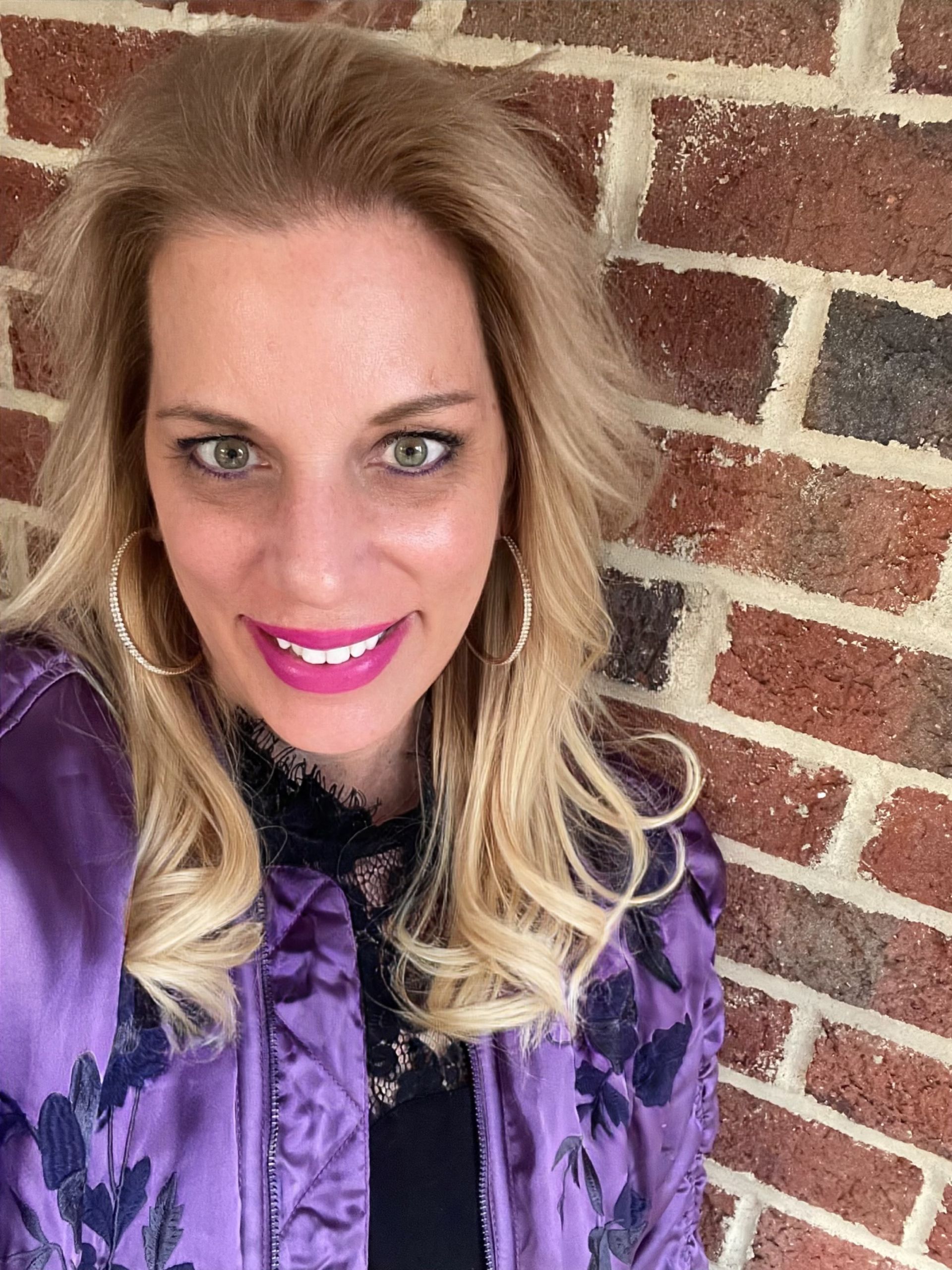
Holly McCusker, M.S. Ed, CPC, ELI-MP Certified Dating & Relationship Coach Founder of Love Prescriptions | The Relationship Institute LLC
Follow along for insights on healing relationship patterns, breakup recovery, and conscious relationships.
Holly McCusker, M.S. Ed, CPC, ELI-MP Certified Dating & Relationship Coach Founder of Love Prescriptions | The Relationship Institute LLC
Follow along for insights on healing relationship patterns, breakup recovery, and conscious relationships.
Copyright © 2026
Created with